
Planning a Successful Home Renovation: Where to Start
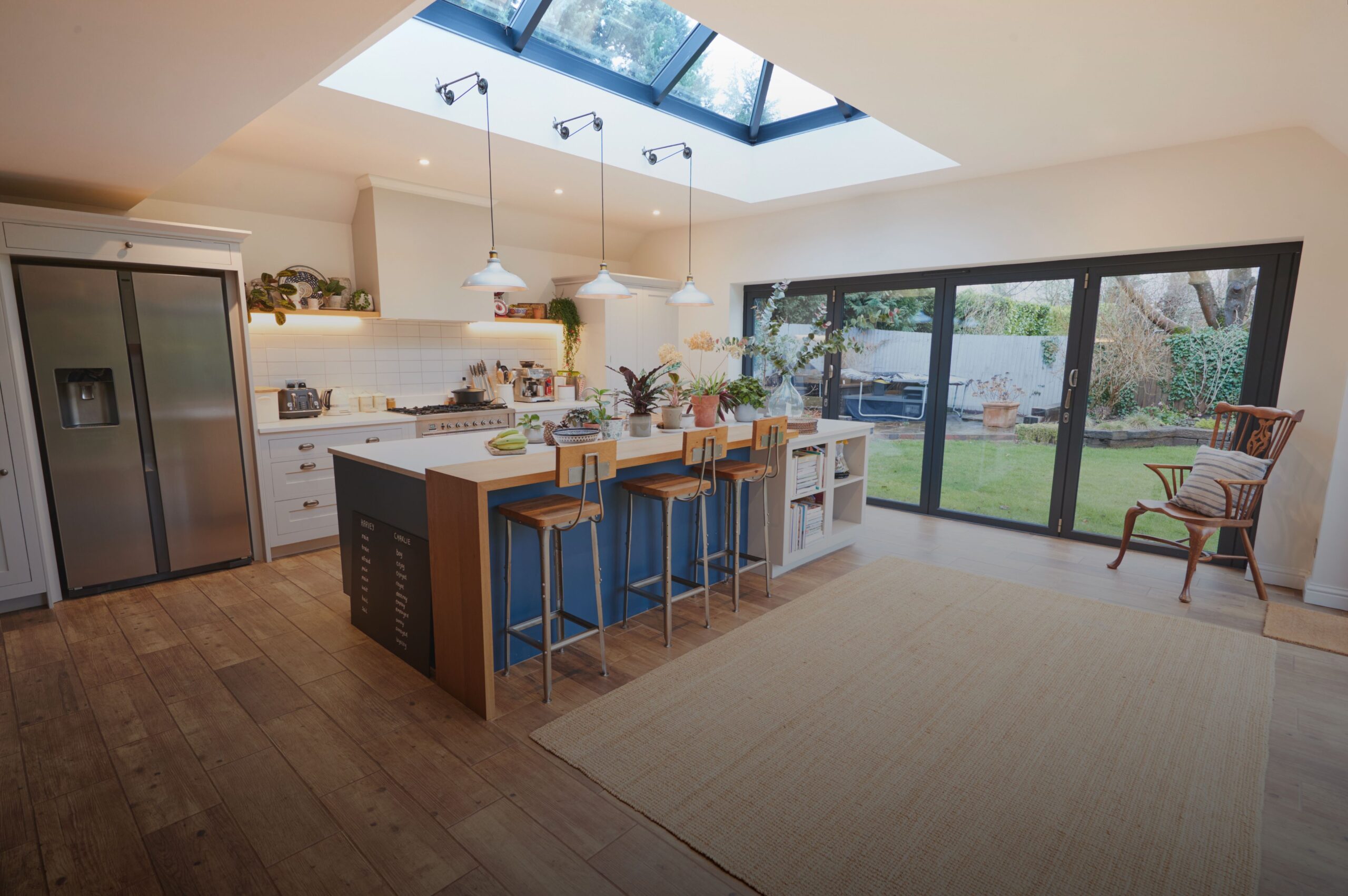
Renovating your home is an exciting opportunity to improve your living space, increase functionality and potentially add significant value to your property. However, a successful renovation requires more than choosing finishes and arranging trades. Careful planning from the beginning can help control costs, avoid unnecessary delays and ensure the finished property meets your expectations.
Whether you’re planning a single-room renovation, a home extension or a complete property refurbishment, here’s where to start.
1. Define Your Renovation Goals
Before discussing designs or costs, establish exactly what you want to achieve.
Ask yourself:
- What problems do you want the renovation to solve?
- Which rooms need the most attention?
- Are you improving the property for your own use or as an investment?
- Do you need additional bedrooms or living space?
- Are you looking to improve energy efficiency?
- Do you want to increase the property’s future value?
Having clear objectives will help guide every decision that follows.
2. Assess Your Property
Understanding the current condition of your property is an important part of renovation planning.
A professional assessment can help identify potential issues such as:
- Structural concerns
- Damp or water damage
- Outdated plumbing
- Electrical requirements
- Poor insulation
- Roofing issues
- Existing layout limitations
Identifying these issues early can help you plan the budget more realistically and reduce the risk of unexpected costs later.
3. Create a Realistic Budget
Your budget should cover more than the obvious construction costs.
Consider costs for:
- Materials
- Labour
- Design and professional services
- Planning and building control where applicable
- Fixtures and fittings
- Kitchen and bathroom installations
- Waste removal
- Decorating and finishing
- Potential unexpected works
It is also sensible to keep a contingency allowance for unforeseen issues that may arise once work begins.
4. Prioritise the Work
Not every improvement needs to happen at the same time.
Start with essential structural and functional works before focusing on cosmetic upgrades. For example, addressing electrical, plumbing, insulation or structural requirements should generally take priority over decorating.
Creating a clear priority list allows you to allocate your budget where it will have the greatest impact.
5. Consider the Design and Layout
Good design is about more than appearance. A successful renovation should make the property work better for the people using it.
Think about:
- How rooms connect with each other
- Natural light
- Storage
- Circulation and accessibility
- Furniture placement
- Kitchen functionality
- Bathroom layouts
- Energy efficiency
- Future requirements
For larger projects, working with the appropriate design and construction professionals at an early stage can help turn your ideas into a practical plan.
6. Check Planning and Building Regulations
Depending on the type and scale of renovation, you may need planning permission, building regulations approval or other consents.
This can be particularly important for projects involving:
- Home extensions
- Loft conversions
- Structural alterations
- Major layout changes
- HMO conversions
- Changes to external appearance
Requirements can vary depending on the property and location, so it is important to establish what approvals may be required before construction begins.
7. Choose the Right Professionals
The quality of the finished renovation depends heavily on the people carrying out the work.
When choosing a refurbishment company or contractor, consider:
- Previous projects
- Relevant experience
- Quality of workmanship
- Communication
- Project management approach
- Insurance and appropriate documentation
- Reviews and references
- Clarity of quotations
Don’t simply choose a contractor based on the lowest price. A clear scope, realistic programme and reliable project management can be far more valuable throughout a renovation.
8. Plan the Project Timeline
A renovation involves multiple stages, and each stage can affect the next.
A typical project may include:
Planning → Design → Preparation → Construction → Installation → Finishing → Snagging → Handover
Allowing sufficient time for materials, approvals, specialist trades and unforeseen issues can help prevent unnecessary pressure later in the project.
9. Think About Materials and Finishes Early
Choosing materials too late can lead to delays, especially where products have longer lead times.
Consider your choices for:
- Flooring
- Tiles
- Kitchen units
- Worktops
- Bathroom fixtures
- Doors
- Lighting
- Paint and finishes
- Ironmongery
For investment properties, it is particularly important to balance appearance, durability and maintenance requirements.
10. Keep Communication Clear
Good communication between the homeowner, contractor, designers and other professionals is essential.
Before work begins, make sure everyone understands:
- The agreed scope
- Budget
- Timeline
- Responsibilities
- Material specifications
- Design decisions
- Payment schedule
- How changes will be managed
Regular updates throughout the project can also help identify issues before they become larger problems.
11. Don’t Forget the Finishing Details
The final stage of a renovation can make a significant difference to the overall result.
Before considering the project complete, review:
- Paintwork
- Flooring
- Fixtures and fittings
- Lighting
- Doors and handles
- Sealants and finishes
- External areas
- Cleaning
- Snagging items
A thorough final inspection helps ensure that the property is ready to enjoy or, in the case of an investment property, ready for its next stage.
Planning a Renovation for Investment?
If you’re renovating a property as an investment, your approach may be different from a renovation for your own home.
You may want to consider:
- Potential rental income
- Property value
- Target tenant requirements
- Durability of materials
- Maintenance costs
- Layout efficiency
- Energy performance
- Overall return on investment
A well-planned refurbishment should balance the cost of improvements with the value they are expected to create.
Final Thoughts
A successful home renovation starts long before the first wall is removed. By defining your goals, assessing the property, establishing a realistic budget and creating a clear plan, you can approach the project with greater confidence.
Whether you’re planning a complete property refurbishment, home extension, loft conversion, HMO conversion, or kitchen and bathroom renovation, professional guidance can help you make informed decisions at every stage.
Ready to Start Your Renovation?
At Reading Refurbishment, we help property owners transform their spaces through carefully planned refurbishment and renovation projects.